HVAC System Change-Outs
Full HVAC system change-outs for Hobe Sound homeowners whose aging air conditioners keep failing or driving up energy bills.
Full HVAC system change-outs for Hobe Sound homeowners whose aging air conditioners keep failing or driving up energy bills.
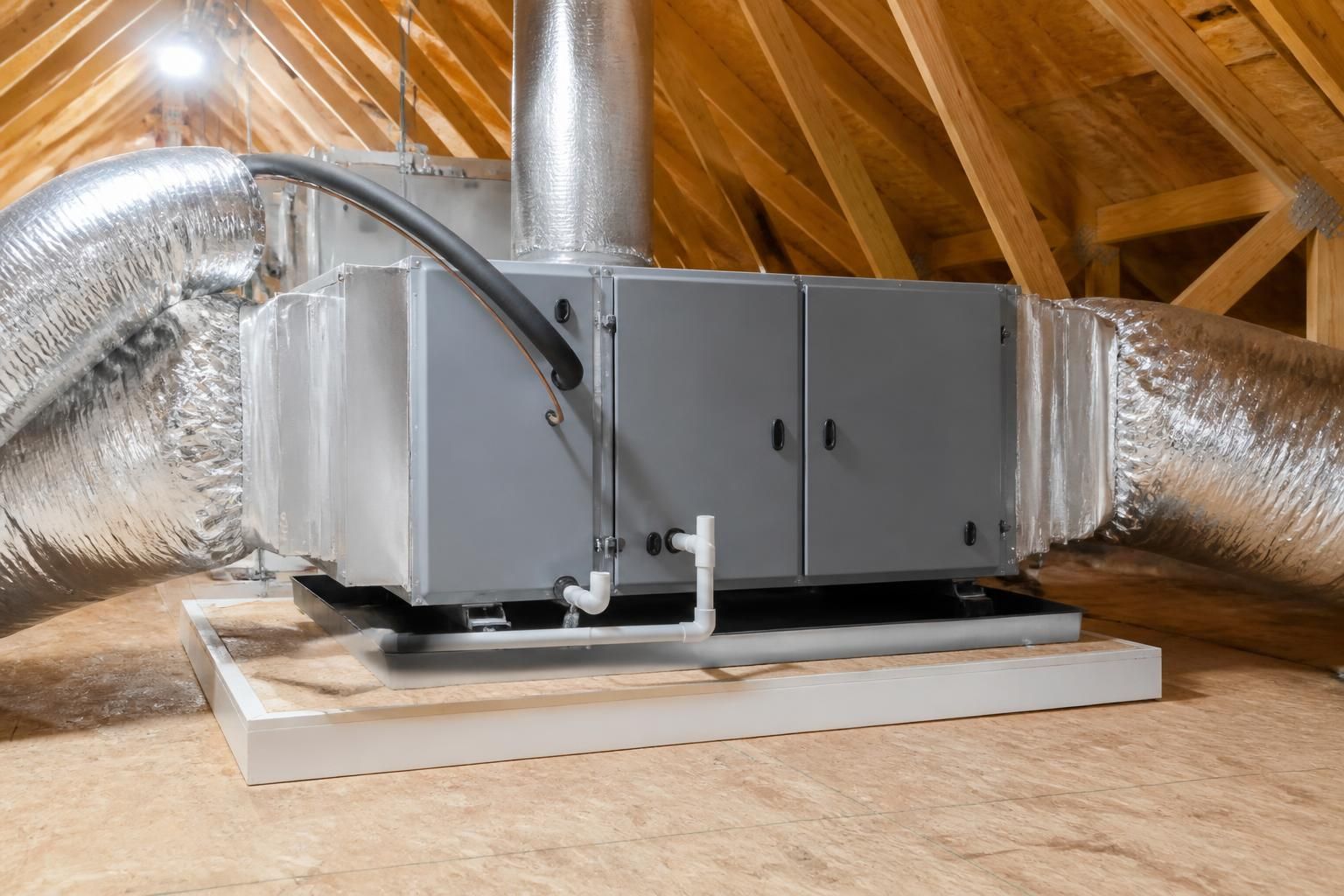
Green Works AC handles HVAC system change-outs in Hobe Sound, DL for homeowners whose air conditioner is worn out, repeatedly breaking down, or no longer keeping the house comfortable. A change-out means taking out the old equipment and installing a new system that suits your home. Call or send a request and we will arrange a visit to look at what you have now and walk you through your options.
Maybe the house never cools past mid-afternoon. Maybe the unit runs all day, the bills keep climbing, or the last repair quote was close to the cost of a new system. In South Florida the AC works hard for most of the year, so equipment tends to age faster than it would in a milder climate. When repairs start stacking up, a planned change-out is usually less stressful than waiting for a total breakdown in the middle of summer.
People often use "repair," "replacement," and "change-out" as if they mean the same thing. They do not.
This page covers full system change-outs. If you only need a failed part fixed, that falls under our AC repair work, and we are glad to talk through which path makes more sense for your house.
No single symptom decides it, but several together usually point toward a change-out.
If the system is fairly young and the problem is a single failed part, repairing it is often the sensible choice. An honest evaluation should tell you that, not push you toward new equipment you do not need.
A system that fails in July leaves you scrambling with fewer choices and less time to compare. Replacing it before it quits gives you room to plan the work and choose equipment calmly.
Every home is different, but most change-outs follow the same general order.
A new air conditioner connected to tired, leaky, or dirty ducts will not give you the comfort you paid for. During the evaluation, the duct condition is worth a look. Air duct cleaning and robotic air duct inspections are separate services from the change-out itself, but they pair naturally with one when ducts show signs of buildup or damage. Pool heating is also its own service. If you want it looked at, just ask and we can discuss it separately.
We service and install all major HVAC brands, including Lennox, Trane, Carrier, Rheem, Goodman, Daikin, Bryant, Amana, RUUD, York, Tempstar, and Payne. Because we are not tied to a single manufacturer, the conversation can start with your home, your budget, and how you use the space instead of with whatever brand is on the truck. Matched indoor and outdoor equipment is the usual goal, since mismatched parts can limit what a new system can deliver.
Two change-outs on the same street can look very different on paper. The main factors are:
A clear written quote should spell out the exact equipment by model, what labor covers, what is excluded, and how changes are handled if something unexpected turns up once the old system is removed. If a quote is a single line with a total, ask for more detail before you sign.
Here are standards you can use to judge any contractor's change-out work.
Before you hire anyone for a system change-out in the Hobe Sound area, ask:
We work out of Hobe Sound and serve homeowners across Martin County, along with Indian River, Okeechobee, Saint Lucie, Palm Beach, and northern Broward counties. Homes here vary widely, from older concrete block houses to newer builds, and each has its own layout, attic space, and duct design. That is why we start with a look at your house before recommending equipment.
It depends on the size of the home, where the indoor unit sits, and whether the ducts need work. Many straightforward jobs can be completed in about a day, while larger or more complicated ones take longer. Your technician can give you a realistic schedule after seeing the house.
Look at the age of the system, how often it has needed service, the cost of the current repair, and how well the house cools and dries the air. If problems are piling up on older equipment, replacing it usually makes more sense than another repair.
It comes down to system size, equipment type, installation difficulty, ductwork condition, permits, and any extras. A written quote should list each of these so you can compare options clearly.
Not always. Ducts in good shape can often be reused. If they are damaged, leaking, or heavily contaminated, repairs, cleaning, or an inspection may be worth considering alongside the new system.
Cooling is needed most of the year here, so there is rarely a slow season. Replacing before the hottest, most humid months gives you more scheduling flexibility, but a system that is already failing should not wait for ideal timing.
Clear access to the indoor unit, the outdoor unit, and the thermostat. Move furniture or stored items out of the way, and make arrangements for pets. Your technician can tell you anything else to expect once the schedule is set.
To talk through a change-out for your home, call or send a request and we will take it from there.

One call is all it takes. A NATE-certified technician arrives equipped, diagnoses it right, and gets your system running fast.